🚀 International plant shipping is now faster with DHL & FedEx!


Maxillaria tenuifolia (Coconut Orchid) - very fragrant variety
without flowers - 3 inch pot
€16,95
Skip to product information


Maxillaria tenuifolia (Coconut Orchid) - very fragrant variety
€16,95
Maxillaria tenuifolia (Coconut Orchid) is a botanical species. The flowers are fragrant. It is known as Coconut Orchid.
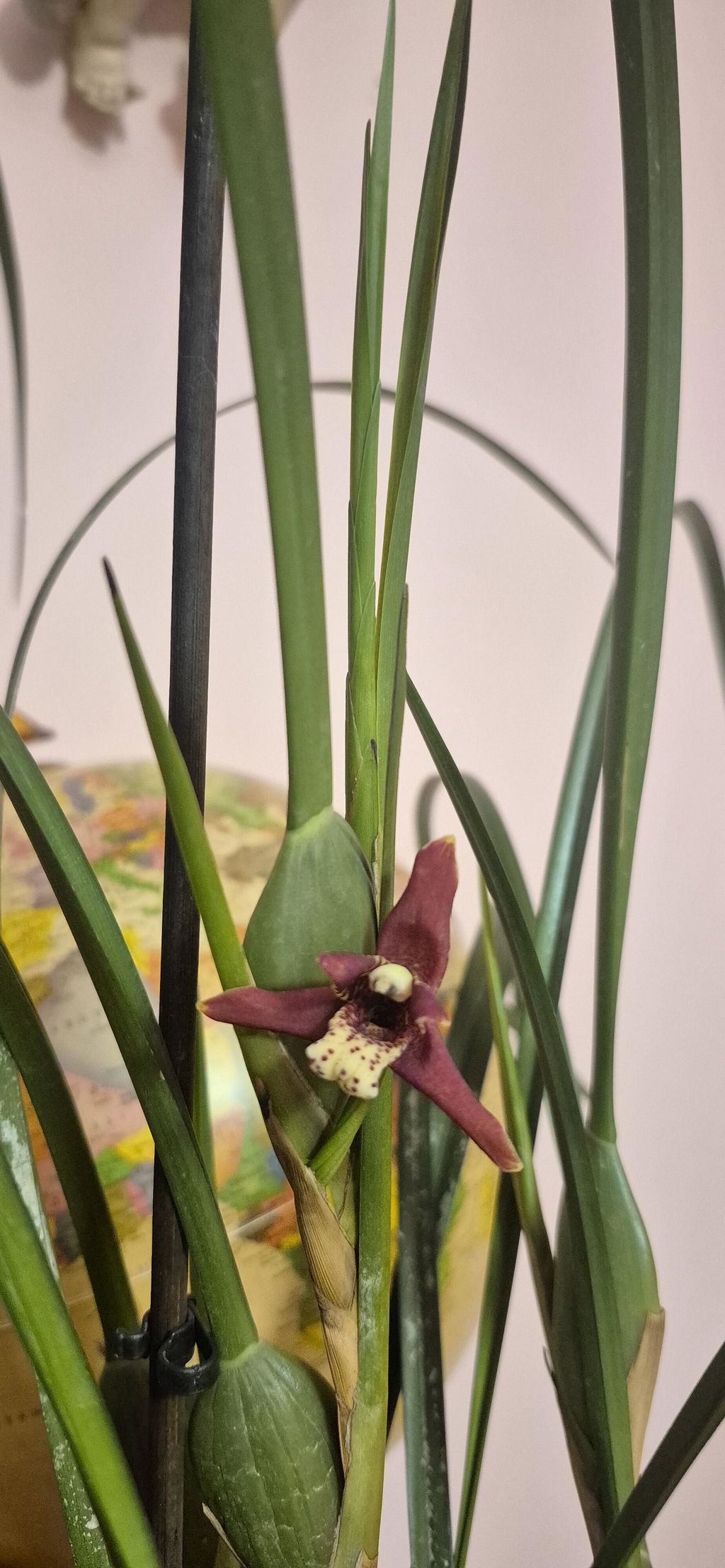
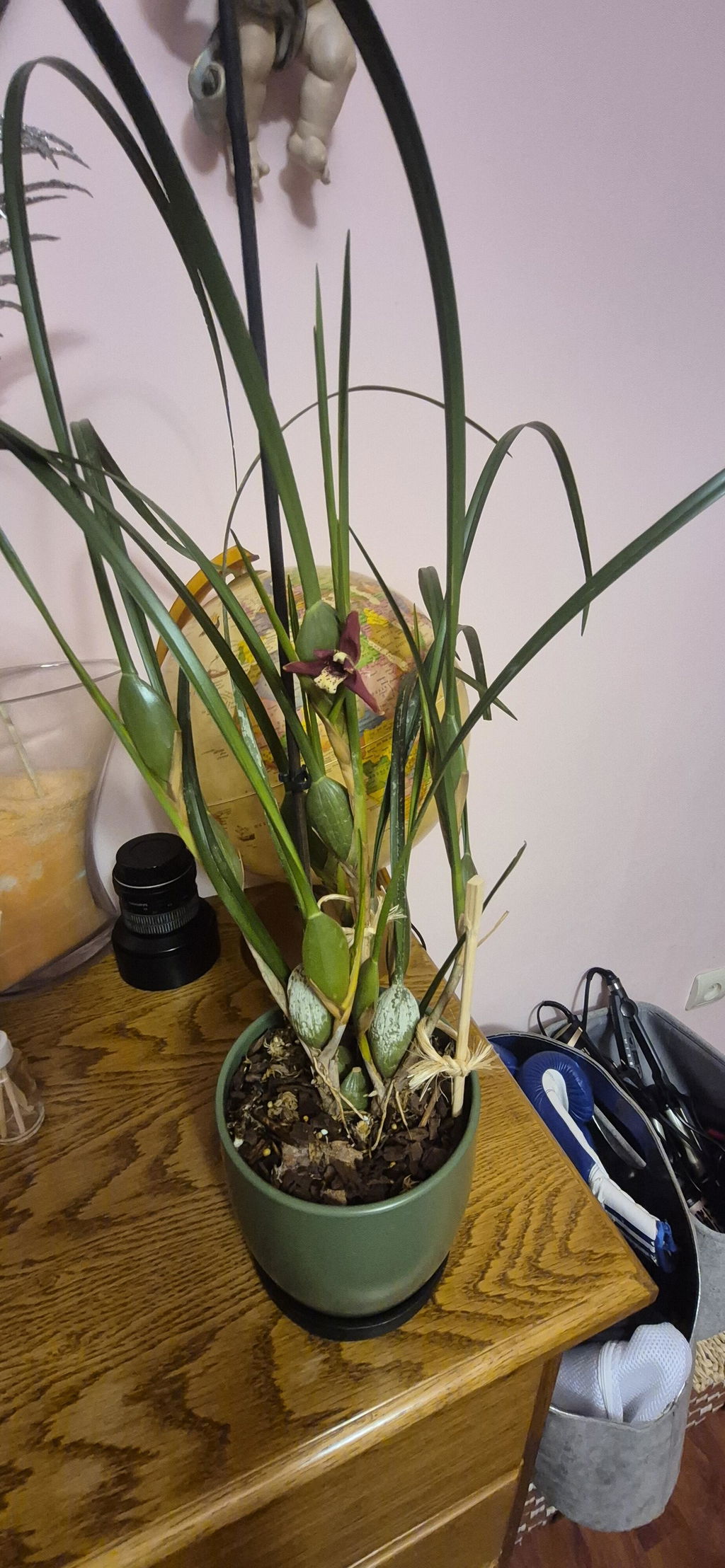
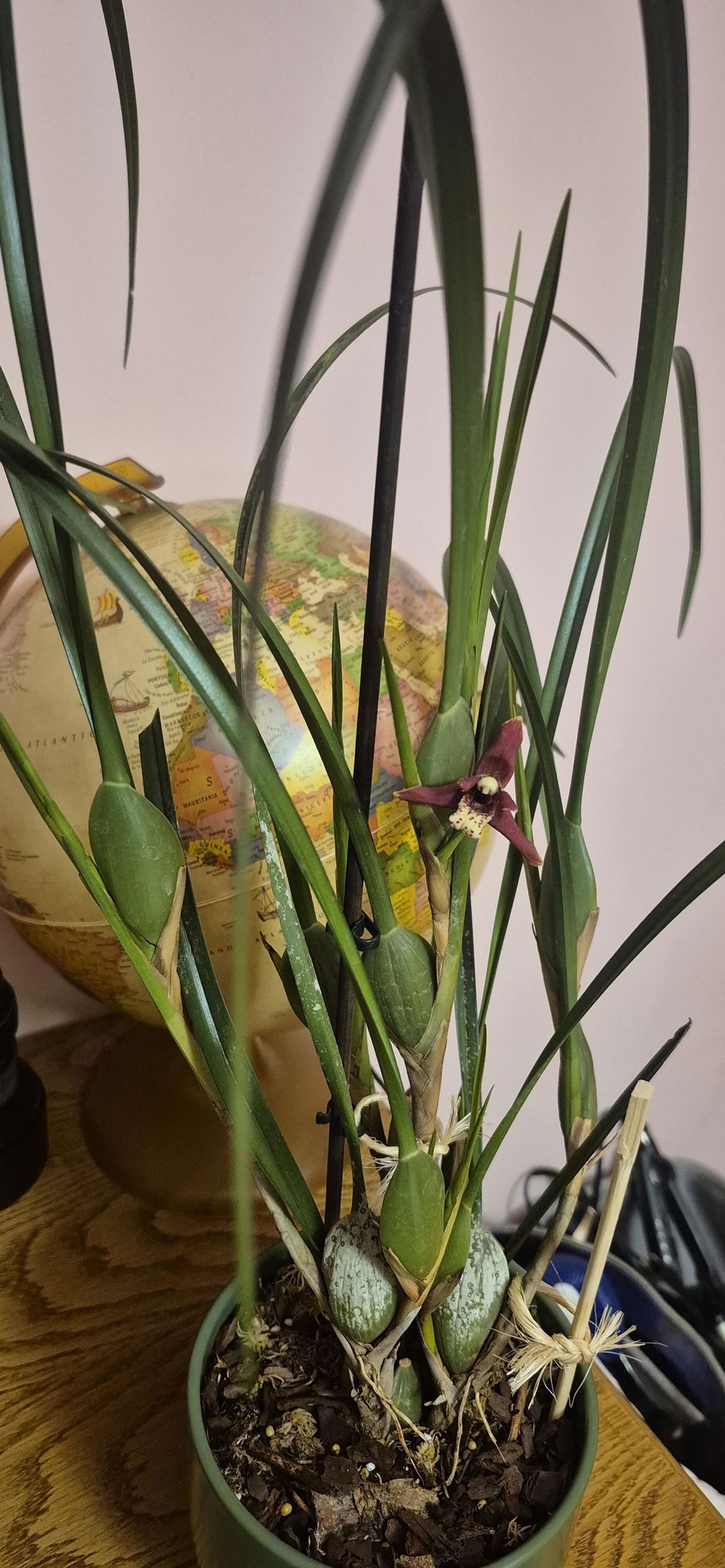
Maxillaria tenuifolia, called Coconut Orchid, is a compact species prized for its red flowers with a distinct coconut fragrance. Over time, it forms a dense clump of slender pseudobulbs, and a mature plant can produce several fragrant flowers during the season.
Light and temperature. Medium to bright, filtered light is suitable. Gentle morning sun can help, but strong summer sun can scorch the leaves. Intermediate to warm temperatures and light airflow support growth; avoid very dry air, especially near a radiator.
Watering. Water when the potting mix is close to drying out, without leaving the fine roots completely dry for a long time. Slightly wrinkled pseudobulbs indicate prolonged thirst; soft bases or brown roots after watering indicate excess moisture. Drainage and a consistent routine are more important than frequent watering.
Fertilizing and repotting. During the active season, apply diluted orchid fertilizer after watering. Repot when new roots appear, using a fine, airy mix; you can adapt potting mix for vigorous-growing orchids with finer bark.
Pot and flowering. A small pot, airy basket, or stable mount is suitable. Do not divide it often: several pseudobulbs together produce a more balanced plant and, usually, more flowers. The fragrance is most noticeable in a bright spot when the flower is fully open.
Growth and adaptation. In nature, Maxillaria tenuifolia grows epiphytically, with its roots exposed to the air and periods of rain alternating with partial drying. Indoors, it does not need a severe rest period: it needs an airy potting mix that dries predictably and room to spread sideways. Each new growth eventually becomes a pseudobulb that helps the plant support its next flowering.
The rhythm between seasons. In summer, in brighter light, check the potting mix more often, as the pot can dry out quickly. In winter, reduce watering only because light and water use decrease, not to keep the plant completely dry. Firm leaves and plump pseudobulbs indicate a good rhythm; very dark leaves or slow growth indicate insufficient light. After flowering, continue normal care and avoid moving or dividing the plant unnecessarily.
📌 Note: The current batch of Maxillaria may have dehydrated, slightly wrinkled, or contracted pseudobulbs. This may occur as a result of the growing period, handling, transport, and adjustment to new environmental conditions, and does not automatically indicate a problem with viability.
In the right conditions of light, humidity, watering, and ventilation, the plant can continue to grow normally and produce new growth.
You may also like...
Loading product recommendations
T
Această varietate de orhidee mi-a sosit deosebit de bine ambalată, şi într-o stare foarte bună. Am transplantat-o, are creşteri noi şi prima floare parfumată. Aştept să înflorească toată. Totul a decurs perfect per general.
A
Schöne Pflanze, bin schon auf die Blüte gespannt.
C
Superb!
M
EXCELENT
I
Planta arată destul de bine
M
O planta suuper , imi lipsea din colectie , sper sa ne intelegem. O recomand .
A
Planta de calitate si fara probleme (virusi, daunatori). Recomand cu siguranta pe Secret Garden.
F
Este micuța, dar superbă. A mea a avut 3 flori cand am cumpărat-o, miroase incredibil de frumos. Mulțumită de achiziție.